Persuasion
For Orla, Persuasion starts with seeing people for who they are. Rather than focusing first on the point she wants to make, she tries to understand what matters to the other person. What do they need? What motivates them? What are they concerned about or afraid of losing? Once people feel seen and heard, she finds they are much more open to considering a different perspective or taking a step in a new direction.
Orla saw the power of this strength early in her career as the CFO of a rapidly growing pharmacy company in Ireland. She helped negotiate the acquisition of independent pharmacies, many owned by people selling businesses they had spent their lives building. Orla understood how much was at stake and made sure their concerns were heard. Her ability to connect with them helped move negotiations past sticking points and toward agreements where both sides could feel good about the outcome.
Today, Orla sees the same strength at work as a coach. When someone resists trying something new or considering a different perspective, she doesn't push harder. She pauses to understand what's getting in the way. She looks for the moment when someone relaxes, perhaps with a sigh or a simple, “Yes, that's exactly it.” To Orla, feeling seen and heard can help people “take their power back,” identify what they really need, and decide for themselves how they want to move forward.
Orla has even adapted her Persuasion at home. She learned that advice from Mom wasn't always particularly welcome during her daughter's teenage years. Instead of simply telling her what she thought she should do, Orla began by expressing trust in her daughter's judgment and then offering a few additional things she might want to consider. The message could still get through, but in a way that respected her daughter's ability to make her own choices.
That respect for the other person's choices is central to how Orla thinks about Persuasion. She is careful to distinguish it from manipulation. Manipulation focuses on getting what the persuader wants. Persuasion, in Orla's view, focuses on understanding what the other person wants and helping them feel good about whatever choice they ultimately make.
Her advice to anyone who wants to become more persuasive is simple: focus on the other person. Ask what they need, what concerns them, and what they might feel they are losing. When you acknowledge those concerns, people are better able to move forward and consider what's possible.
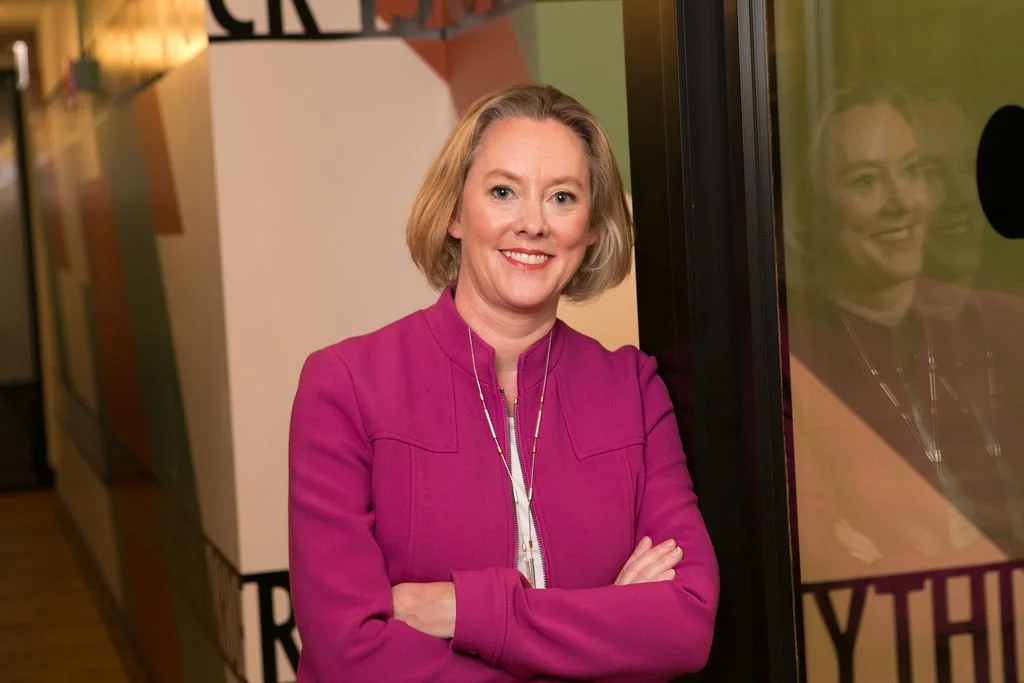
“Manipulation is about what I want, and persuasion is about what the other person wants.”
- Orla